Aller au contenu
Rechercher
Rechercher
Accueil
Grégorien
Les textes
Historique du grégorien
Chant des messes
Messes du Temporal
Messes du Sanctoral
Apprentissage – Interprétation
Disques et ressources
Stages de formation
Boutique
Chant grégorien
Livres
Pour les prêtres
Polyphonies sacrées
Divers
Partitions
Cantiques
Avent
Carême et Passion
Epiphanie
Eucharistie
Marie
Noël
Pâques
Pentecôte
Sacré Coeur
Saints
Tous temps
Polyphonies
Ascension
Avent
Carême
Christ-Roi
Défunts
Epiphanie
Eucharistie
Marie
Noël
Pâques
Passion
Pentecôte
Sacré Coeur
Septuagésime
Tous temps
Toussaint
Trinité
Grégorien
Divers
Polyphonie
Découvertes polyphoniques
Chefs de chœur
Cantiques
Vidéos
Vidéos artistiques
Tutoriels d’apprentissage
Contact
Menu
Accueil
Grégorien
Les textes
Historique du grégorien
Chant des messes
Messes du Temporal
Messes du Sanctoral
Apprentissage – Interprétation
Disques et ressources
Stages de formation
Boutique
Chant grégorien
Livres
Pour les prêtres
Polyphonies sacrées
Divers
Partitions
Cantiques
Avent
Carême et Passion
Epiphanie
Eucharistie
Marie
Noël
Pâques
Pentecôte
Sacré Coeur
Saints
Tous temps
Polyphonies
Ascension
Avent
Carême
Christ-Roi
Défunts
Epiphanie
Eucharistie
Marie
Noël
Pâques
Passion
Pentecôte
Sacré Coeur
Septuagésime
Tous temps
Toussaint
Trinité
Grégorien
Divers
Polyphonie
Découvertes polyphoniques
Chefs de chœur
Cantiques
Vidéos
Vidéos artistiques
Tutoriels d’apprentissage
Contact
0,00
€
0
Panier
Polyphonies sacrées
6 résultats affichés
Tri par popularité
Tri du plus récent au plus ancien
Tri par tarif croissant
Tri par tarif décroissant
Promo !
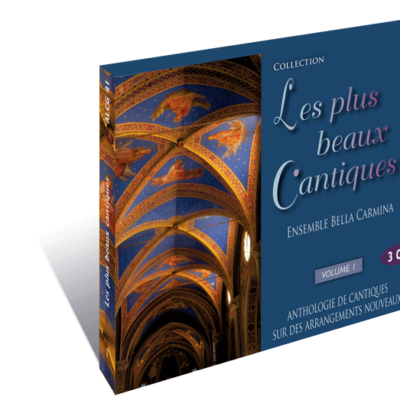
Les plus beaux cantiques
32,00
€
Le prix initial était : 32,00€.
28,80
€
Le prix actuel est : 28,80€.
Ajouter au panier
Zelenka : Messe de la Résurrection
15,00
€
Ajouter au panier
Noëls anciens et populaires – Chants de Noël
14,90
€
Ajouter au panier
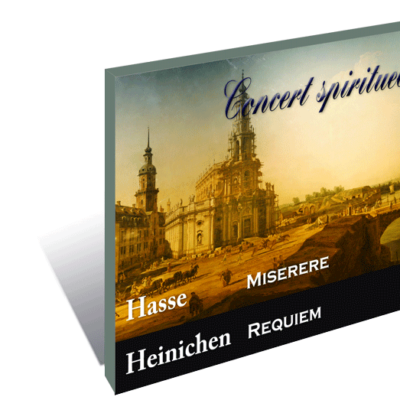
Requiem de Heinichen
14,90
€
Ajouter au panier
Ristori – Vivaldi : Messe de la Nativité
14,90
€
Ajouter au panier
Zelenka – Galuppi – Hasse
15,00
€
Ajouter au panier